Emergency roof repair in London may be needed when a roof suddenly starts leaking, tiles become loose, storm damage exposes the roof structure or a chimney becomes unsafe. The first priority is to protect people and the property without taking unnecessary risks.
However, urgent roofing work should still begin with identifying the true cause. Water can travel beneath tiles, along underlay or around wall junctions before it becomes visible indoors. Therefore, the visible stain is not always directly below the defect.
This guide explains what counts as a roofing emergency, what homeowners can safely do, what to avoid and how professional repair can protect the property from further damage.
What Counts as a Roofing Emergency?
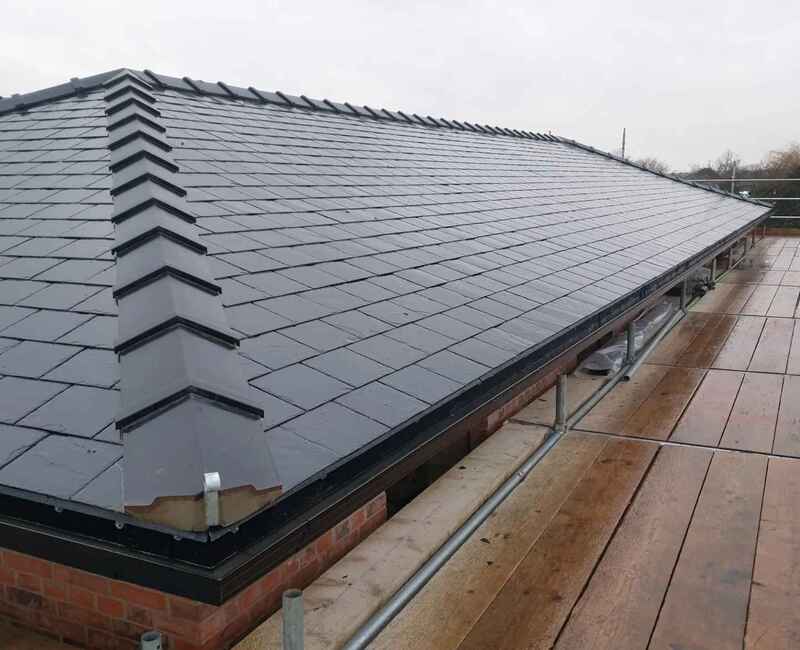
Not every defect needs immediate emergency work. Nevertheless, some problems deserve fast attention because they create a safety risk or allow significant water entry.
Water is entering ceilings, walls or the loft during rainfall.
Wind has exposed the protective layers beneath the covering.
A section of the roof has lifted, cracked or moved.
Brickwork, pots or flashing appear loose after severe weather.
The deck or supporting structure appears distorted or soft.
Tiles, slate, fascia or other materials may fall from height.
What to Do First During a Roof Emergency
First, keep people away from any area where roofing materials could fall. Next, move furniture, electronics and valuables away from internal water where it is safe to do so.
If a ceiling is wet or bulging, do not stand underneath it. In addition, keep away from electrical fittings that are close to water.
- Move people away from unsafe areas.
- Protect furniture and valuables.
- Use containers to collect dripping water.
- Take clear photographs of visible damage.
- Check the loft only if access is safe.
- Arrange a professional roof assessment.
Safety first: Do not climb onto a wet, icy or storm-damaged roof. Even experienced roofers may need to wait for safer conditions before completing external work.
Storm Damage to London Roofs
Strong winds can lift tiles, loosen slate and damage ridges, verges and flashing. Furthermore, wind-driven rain can enter small openings that may not leak during normal rainfall.
After severe weather, inspect the property from ground level. Look for changes in the roofline, missing tiles or loose materials. Also check the ground for pieces of tile, slate or mortar.
- Missing or displaced tiles
- Loose ridge tiles
- Damaged verge details
- Broken gutters or downpipes
- Lifted lead flashing
- Debris on flat roofs
- Damage around roof windows
Emergency Roof Leak Repair
An active leak is one of the most common reasons homeowners request urgent roofing help. However, the internal stain does not always show where the rain entered.
For example, water may enter beside a chimney, travel along underlay and appear several metres away. As a result, repairing only the area above the stain can fail.
A professional inspection should check roof coverings, underlay, battens, flashing, valleys, gutters and nearby wall junctions.
For more detail, read our Roof Leak Repair London guide.
Missing or Broken Tiles and Slates
One missing tile does not automatically mean the whole roof needs replacing. In many cases, local replacement can solve the immediate problem when the surrounding roof remains sound.
Nevertheless, the underlay beneath the affected area should also be checked. If it is brittle, torn or sagging, additional repair may be required.
- Replace missing or broken tiles
- Refix displaced slate
- Repair local membrane damage
- Replace damaged battens where required
- Check ridges and verges after storms
Emergency Chimney Problems
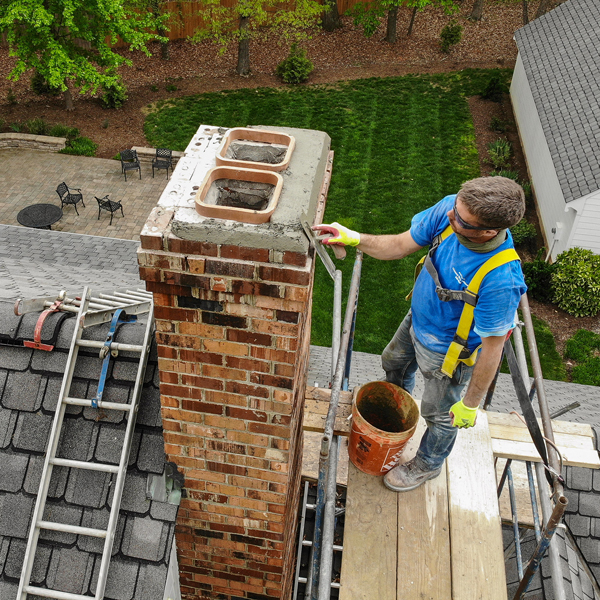
Chimneys are highly exposed during strong winds. Loose pots, failing mortar or damaged leadwork can create both leak risks and safety concerns.
| Chimney problem | Possible action |
|---|---|
| Loose lead flashing | Secure or renew the affected flashing |
| Failed pointing | Remove weak mortar and repoint correctly |
| Cracked flaunching | Repair or renew the damaged top detail |
| Loose chimney pot | Make the area safe and repair the fixing |
| Damaged brickwork | Assess stability and complete suitable masonry repair |
Damaged Lead Flashing
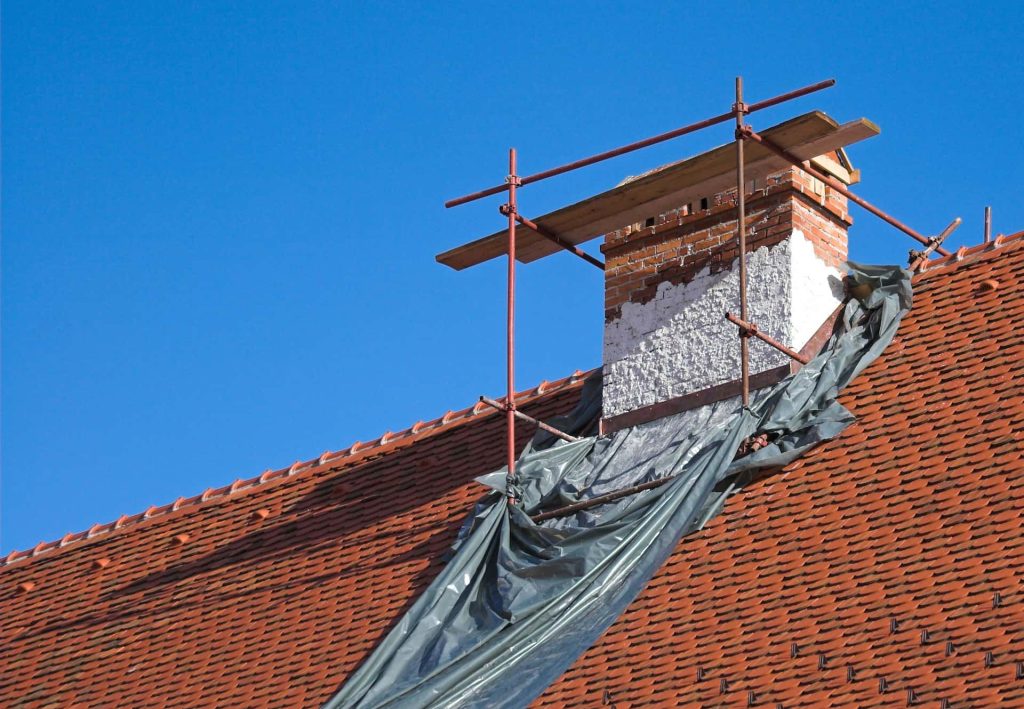
Lead flashing protects vulnerable joints around chimneys, walls, valleys and parapets. Therefore, a small failure can allow a surprising amount of rainwater inside.
Sealant may provide temporary protection in limited situations. However, split or badly installed lead normally needs a proper repair rather than repeated surface sealing.
See our Roof Underlayment and Lead Flashing guide for more information.
Emergency Flat Roof Repairs
Flat roofs may need urgent attention after punctures, seam failure, storm damage or blocked outlets. In addition, persistent standing water can expose existing weak points.
| Roof system | Common urgent issue | Possible repair |
|---|---|---|
| EPDM | Puncture, failed seam or lifted edge | Compatible EPDM patch or detail repair |
| GRP | Cracking or laminate damage | Prepare and re-laminate the affected area |
| Felt | Split, blister or failed lap | Compatible patch or local felt renewal |
A local repair is often effective when the surrounding roof remains in good condition. On the other hand, repeated leaks or a soft roof deck may indicate a wider problem.
Read our How Long Does a Flat Roof Last? guide.
Can Blocked Gutters Cause an Emergency Leak?
Yes. During heavy rain, blocked gutters can overflow quickly. Water may then run behind fascia boards, down walls or into the roof edge.
Therefore, gutters and outlets should form part of the inspection. Clearing debris may solve the blockage, but damaged joints, brackets or downpipes may also need repair.
Temporary Repair vs Permanent Repair
Sometimes weather conditions prevent a permanent repair from being completed immediately. In these situations, a temporary measure may help limit further water entry.
However, temporary work should remain short-term protection. Once conditions improve, the roof should receive a proper repair that addresses the underlying defect.
| Temporary action | Permanent solution |
|---|---|
| Short-term waterproof covering | Repair or replace the damaged roofing material |
| Temporary seal around a weak junction | Renew failed flashing or roof detailing |
| Emergency gutter clearance | Repair faulty joints, falls or downpipes if needed |
| Securing a loose component | Complete the correct fixing or replacement |
Does Emergency Damage Mean You Need a New Roof?
No. Many urgent roof problems remain local. For example, several broken tiles or one failed flashing detail may only require targeted repair.
However, replacement may become more practical when damage is widespread. It may also make sense if the roof already has repeated leaks, brittle underlay or extensive timber damage.
A targeted repair may be enough.
Repair usually remains the first option.
A wider assessment is advisable.
Replacement may offer better long-term value.
For a broader comparison, see our Roof Repair Guide.
Why a Roof Assessment Matters
An emergency can make it tempting to repair the first visible defect. Nevertheless, accurate diagnosis matters because water can travel through several parts of a roof before it appears indoors.
A roof assessment should consider the visible covering, underlay, timber, flashing, drainage and nearby junctions. Consequently, the repair can target the real source instead of only the symptom.
Read What to Expect from a Roof Assessment.
Example: Storm Damage with a Hidden Leak
After strong winds, a homeowner noticed water staining near an upstairs wall. From ground level, the roof tiles appeared mostly intact.
During inspection, one tile had lifted beside a wall junction and the flashing had also moved. Water was travelling beneath the covering before appearing inside. Correcting both defects provided a more reliable repair than simply sealing the visible area.
How to Reduce the Risk of Future Roof Emergencies
Not every storm-related problem can be prevented. However, routine maintenance can reduce the chance that a small defect develops into an emergency.
- Inspect the roof at least once a year.
- Check the roof after severe storms.
- Keep gutters and outlets clear.
- Replace broken tiles promptly.
- Check chimney pointing and flashing.
- Remove debris from flat roofs and valleys.
- Investigate internal damp early.
Our Roof Maintenance Plan for London Homes provides a practical maintenance checklist.
Why Choose Sparkling Roofing?
Sparkling Roofing Ltd provides roof inspections and repair services across London for pitched roofs, flat roofs, chimneys, lead flashing and roofline problems.
- Roof leak diagnosis
- Tile and slate repairs
- EPDM, GRP and felt repairs
- Lead flashing and chimney work
- Gutter and roofline repairs
- Clear written quotations
Explore our Roof Repairs London, Flat Roofing London, Roofing Services Putney and Roofing Services Wimbledon pages.
Frequently Asked Questions
Request Emergency Roof Repair
Tell us what has happened, where the damage is visible and whether water is entering the property.