A professional roof assessment should do more than identify the first visible defect. A good inspection looks at the roof as a complete system, including the roof covering, flashing, drainage, gutters, valleys, chimney details, underlayment and internal signs of moisture.
This guide explains what homeowners can expect during a roof assessment, which areas are normally checked and how the findings are used to recommend repair, maintenance or full replacement.
What Is a Roof Assessment?
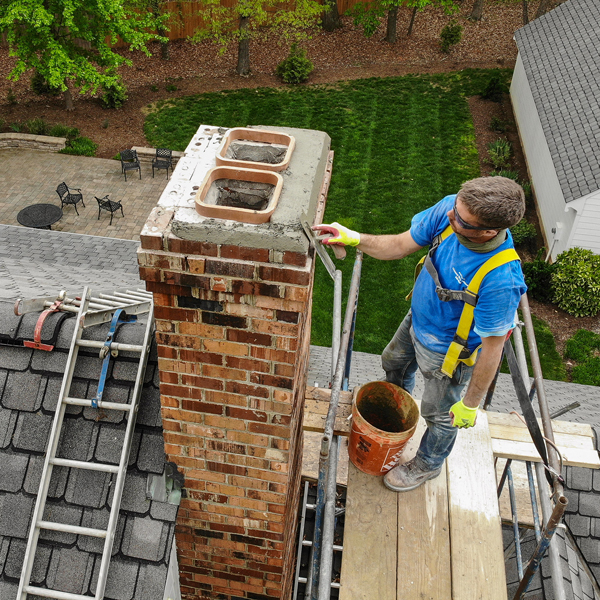
A roof assessment is a structured inspection of the visible roof and any accessible internal roof areas. Its purpose is to understand the condition of the roof, identify defects and determine the likely source of leaks or deterioration.
The inspection may be carried out from ground level, ladders, scaffolding, a flat roof surface or inside the loft, depending on the property and safe access.
Why Roof Assessments Matter
Water may enter in one place and appear indoors somewhere else.
A good inspection helps separate local repairs from full replacement.
Underlay, battens and timber may be affected beneath the surface.
The scope can be understood before work starts.
Loose tiles, weak decks and unstable chimney details can be identified.
Early action reduces the chance of internal water damage.
What Is Checked During an External Roof Inspection?
Roof covering
The roofer checks tiles, slates or flat roof membranes for cracks, missing sections, lifting edges, worn surfaces and signs of previous repairs.
Ridges and verges
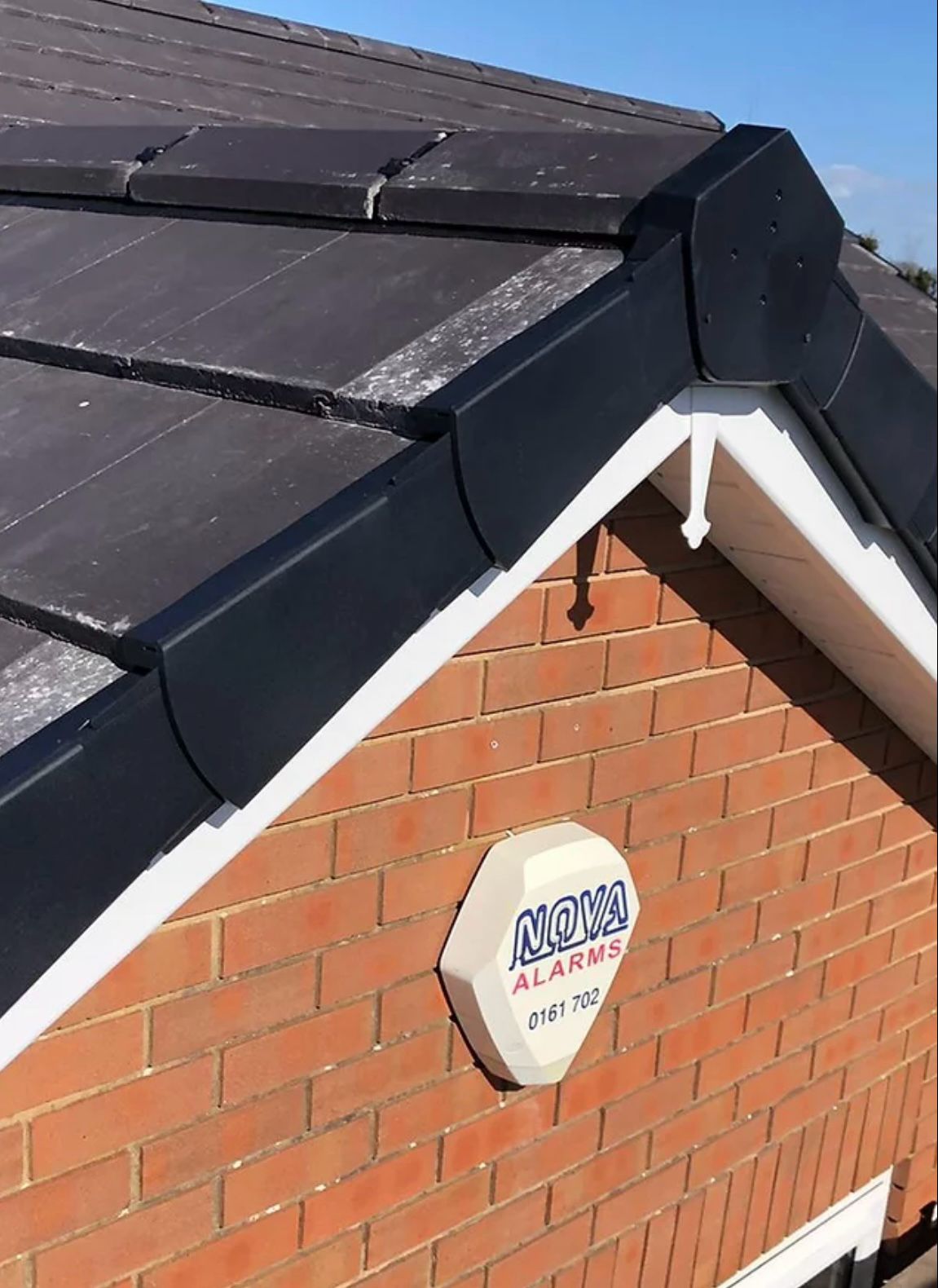
Ridge tiles, dry-ridge systems, mortar and exposed roof edges are checked for movement, cracks or missing fixings.
Valleys
Roof valleys are inspected for blockages, cracked linings, poor support and damaged surrounding tiles.
Lead flashing
Flashing around walls, chimneys, skylights and parapets is checked for lifting, cracks, split lead and defective pointing.
Gutters and drainage
Gutters, hoppers, outlets and downpipes are checked for blockages, leaks and incorrect falls.
What Is Checked Inside the Property?
When access is available, the loft and internal ceilings can reveal important evidence that is not visible from outside.
- Water stains on rafters or ceiling boards
- Damp insulation
- Mould or condensation
- Daylight through gaps in the roof
- Rotten or darkened timber
- Signs of previous leaks or patch repairs
Expert tip: Internal water marks help identify the affected area, but they do not always show the exact point where water entered. Moisture can travel along underlay, battens and timber before becoming visible.
What Is Checked on a Flat Roof?
- Standing water and drainage falls
- Cracks, splits or blisters
- Membrane seams and local patches
- Wall upstands and edge trims
- Skylight and outlet details
- Soft, sagging or damaged deck areas
Chimney and Leadwork Inspection
Chimneys often contain several possible leak points. A proper assessment checks the brickwork, pointing, chimney pots, flashing, apron and side details.
| Area checked | Common problem |
|---|---|
| Chimney pointing | Cracked or missing mortar |
| Lead apron | Split or lifted lead |
| Step flashing | Poor laps or separation from wall |
| Chimney pots | Loose or damaged fittings |
| Brickwork | Weathering and water penetration |
Can the Underlayment Be Inspected?
Roof underlayment is hidden beneath the tiles or slates, so its full condition cannot always be seen without lifting sections of the roof covering.
However, a roofer may identify likely underlay damage from loft staining, brittle felt visible at the eaves, repeated leaks or damaged battens.
Common Problems Found During Roof Assessments
Can expose underlay and battens to rain.
Often causes leaks around walls and chimneys.
Can force water behind fascia and into walls.
Allows water into the roof structure.
May indicate poor falls or a sagging deck.
Shows that water has been present for some time.
How Does a Roofer Decide Between Repair and Replacement?
| Roof condition | Likely recommendation |
|---|---|
| One local defect on an otherwise sound roof | Repair |
| Small flashing or gutter issue | Targeted repair |
| Several leaks across different areas | Replacement may be more practical |
| Widespread brittle underlay | Roof covering lifted and underlay renewed |
| Rotten deck or structural damage | Repair structure and replace roof system |
What Should You Receive After the Assessment?
- A clear explanation of the problem
- Recommended repair or replacement options
- Details of materials and work required
- A written quotation
- Any limitations caused by access or hidden areas
- Advice on urgency and temporary protection if needed
When Should You Arrange a Roof Assessment?
- After noticing a leak or damp patch
- After strong winds or storm damage
- Before buying or renovating a property
- When a roof is approaching the end of its expected life
- Before installing solar panels or roof windows
- When previous repairs have not stopped the problem
Real Project Spotlight: Hidden Leak Source
During a recent inspection, a homeowner believed the leak was coming through the centre of a flat roof. The internal staining appeared below that area, but the actual water entry point was a failed wall flashing several metres away.
Water had travelled beneath the membrane before appearing indoors. The assessment helped avoid unnecessary replacement of the whole roof and focused the repair on the correct junction.
Common Inspection Mistakes
- Quoting from the ground without checking roof details
- Assuming the internal water mark is directly below the leak
- Ignoring gutters, valleys and flashing
- Recommending full replacement without evidence
- Patching the surface without checking the deck or underlay
- Failing to explain access limitations
Why Choose Sparkling Roofing?
Sparkling Roofing Ltd provides roof assessments, repairs, flat roofing and replacement services across London. We inspect the roof covering, drainage, flashing and accessible internal areas before recommending work.
- Flat and pitched roof assessment experience
- Lead flashing, chimney and gutter inspections
- Clear quotations before work starts
- Honest repair and replacement recommendations
- Service across London and surrounding areas
See our Roof Repairs London, Flat Roofing London, Roofing Services Putney and Roofing Services Wimbledon pages.
Frequently Asked Questions
Request a Roof Assessment
Tell us about your roof problem and we will help you arrange an inspection and understand the next steps.