
Roof leak repair in London should start with finding the true source of the water. A damp patch on a ceiling does not always sit directly below the defect. In fact, rainwater can travel along underlay, rafters, battens or wall junctions before it becomes visible indoors.
Therefore, a quick surface patch is not always enough. A proper inspection should check the roof covering, flashing, valleys, gutters, chimney details, flat roof outlets and any accessible internal roof area.
This guide explains the most common causes of roof leaks, the warning signs homeowners should not ignore and the repair options that may be suitable for pitched and flat roofs.
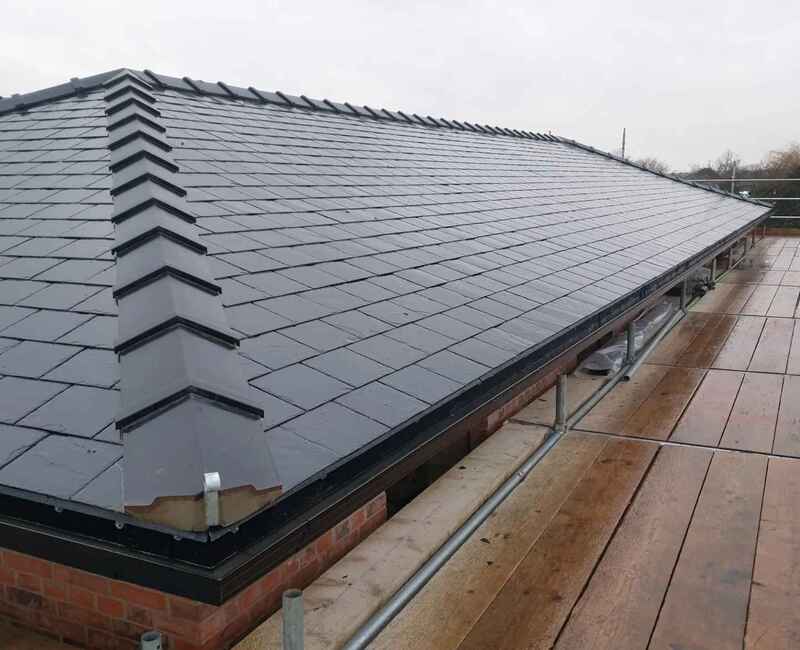
What Should You Do When Your Roof Starts Leaking?
First, protect the inside of the property. Move furniture, electronics and valuables away from the affected area. Next, place a container beneath active drips and take clear photos of the water damage.
However, do not climb onto a wet roof. Rain, moss and damaged materials can make the surface extremely slippery. Instead, arrange a professional inspection as soon as possible.
- Move valuables away from the leak.
- Contain dripping water where possible.
- Photograph visible internal damage.
- Check the loft only if access is safe.
- Avoid walking on the roof.
- Arrange a roofing inspection.
Safety first: If water is close to electrical fittings, lights or sockets, keep away from the affected area and seek appropriate professional help.
Common Causes of Roof Leaks in London
Wind and age can expose the underlay and battens beneath.
Loose or split lead around chimneys and walls can allow water inside.
Overflowing water can run behind fascia boards or into wall junctions.
Cracked linings or trapped debris can interrupt normal drainage.
Splits, failed seams or poor outlets can lead to ponding and leaks.
Cracked pointing, weak flashing or damaged brickwork may allow rain penetration.
Early Warning Signs of a Roof Leak
Some leaks become obvious quickly. Others develop slowly and only show after repeated rainfall. For that reason, early warning signs should not be ignored.
- Brown or yellow ceiling stains
- Damp patches near chimney breasts
- Peeling paint or bubbling plaster
- Mould or musty smells in upper rooms
- Wet loft insulation
- Dark staining on rafters
- Water marks after heavy rain
- Dripping around roof windows or skylights
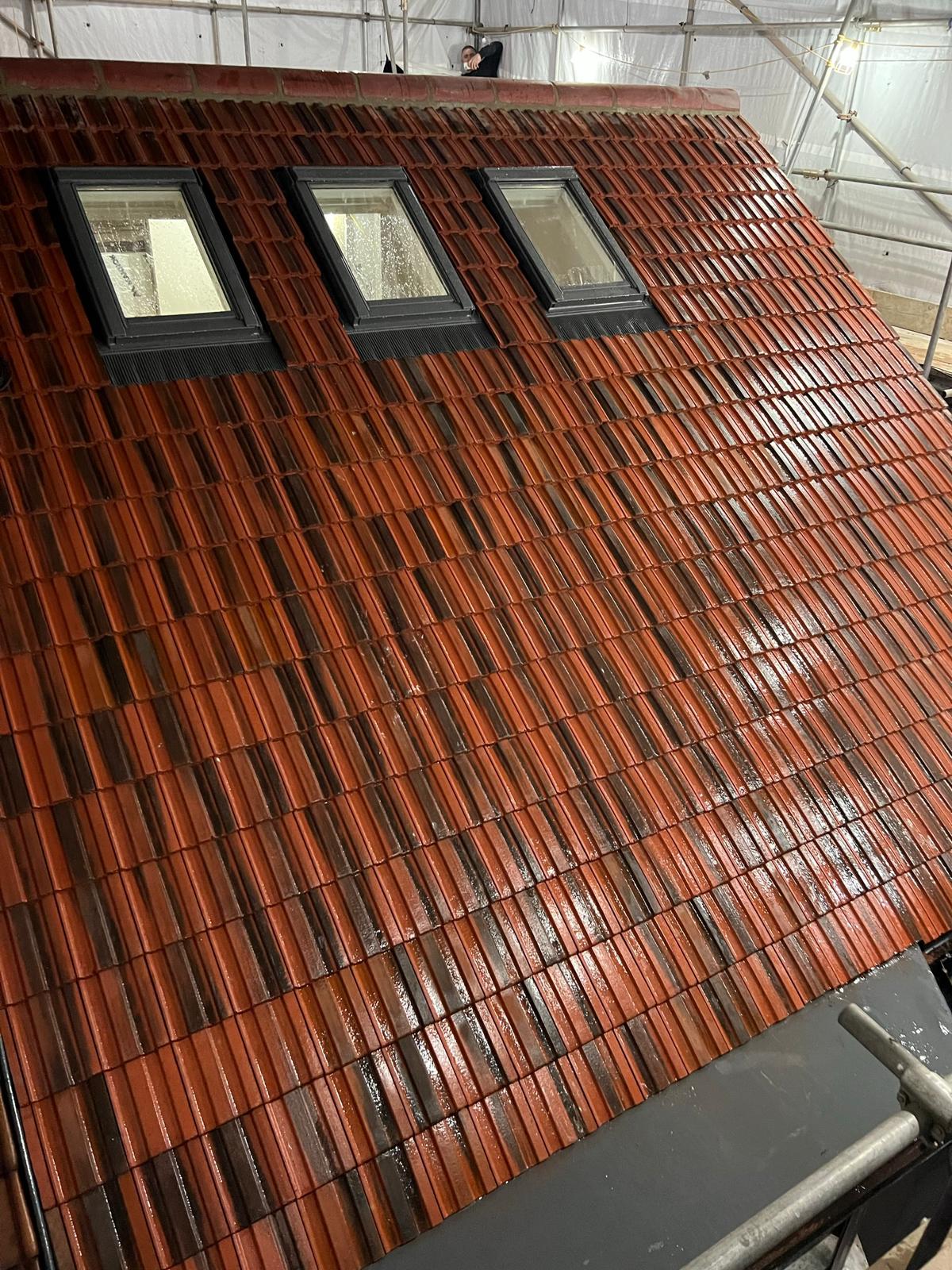
Leaking Tile and Slate Roofs
On pitched roofs, one slipped tile can be enough to expose the underlay. In many cases, the repair is straightforward if the surrounding roof remains sound.
Nevertheless, the roofer should also check the felt or membrane below the damaged area. If the underlay is brittle, torn or sagging, simply replacing the tile may not solve the problem.
Typical repair work may include:
- Replacing broken tiles or slates
- Refixing slipped roof coverings
- Renewing damaged battens
- Repairing local underlay defects
- Checking ridge and verge details
Lead Flashing Leaks
Lead flashing protects vulnerable junctions where the roof meets walls, chimneys, valleys and parapets. Because these areas receive large amounts of rainwater, weak flashing can cause persistent leaks.
For example, lead may lift away from brickwork, split after years of movement or fail because the surrounding mortar has cracked.
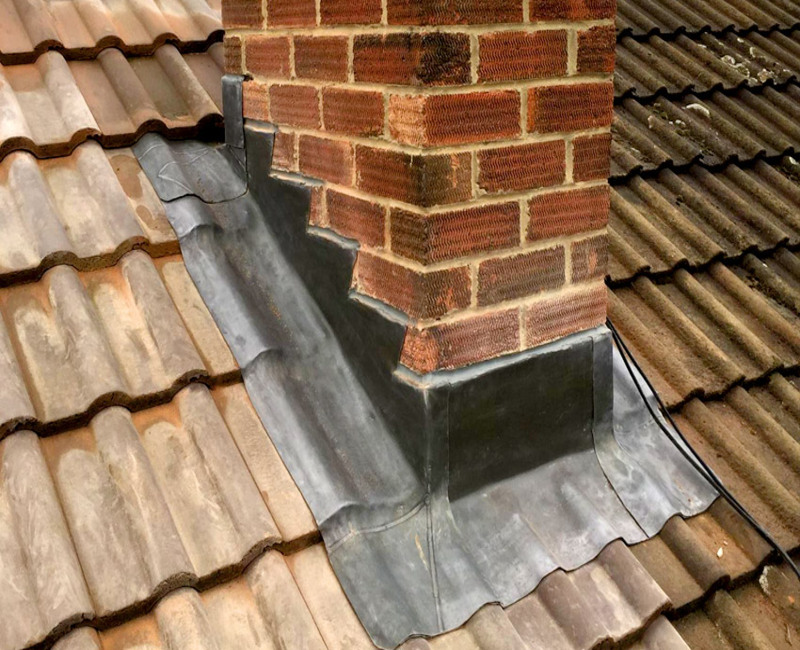
Common leadwork repairs include:
- Refixing loose flashing
- Replacing split lead
- Renewing failed pointing
- Improving laps and wall junctions
- Replacing temporary sealant repairs
Chimney Leaks
Chimneys can leak from several different points. Therefore, a proper chimney inspection should look beyond the first visible crack.
| Chimney area | Possible leak cause |
|---|---|
| Lead apron | Split, lifted or poorly fitted lead |
| Step flashing | Poor laps or separation from brickwork |
| Pointing | Cracked or missing mortar |
| Flaunching | Cracks around chimney pots |
| Brickwork | Weathered joints or water penetration |
Can Gutters Cause Roof Leaks?
Yes. Blocked gutters can force water behind the roofline. As a result, moisture may enter fascia boards, soffits, walls or the edge of the roof covering.
In addition, overflowing gutters can create damp marks that look like a roof leak even when the main roof covering is still intact.
- Clear leaves and moss
- Check gutter joints
- Inspect downpipes
- Check the gutter fall
- Inspect fascia and soffits for water damage
Flat Roof Leak Repair
Flat roof leaks can come from cracks, failed seams, punctures, weak edge details, damaged outlets or poor drainage. The correct repair depends on the existing system.
| Flat roof system | Common leak issue | Typical repair |
|---|---|---|
| EPDM | Puncture, seam or edge failure | Compatible patch or detail repair |
| GRP | Crack or damaged laminate | Prepare and re-laminate affected area |
| Felt | Split, blister or failed lap | Compatible felt patch or local renewal |
However, local repair may not be economical if the roof has widespread damage, repeated leaks or a soft deck underneath.
Why Standing Water Matters
Standing water, also called ponding, is a common warning sign on flat roofs. It can appear because the roof has insufficient falls, blocked outlets or a sagging deck.
Although some materials can tolerate short-term standing water, large persistent pools should be investigated. Over time, they can increase stress on seams and weak areas.
Why the Leak May Appear Far from the Damage
Water often travels before it appears indoors. For example, rain may enter around a wall flashing, then move along the underlay and drip several metres away.
Therefore, repairing only the area above the visible ceiling stain can fail. A good inspection follows the likely water path and checks nearby roof details.
Real Project Example: The Leak Was Not Above the Stain
A homeowner believed water was entering through the centre of a flat roof because the ceiling stain appeared below that area. During inspection, however, the roof surface above the stain was sound.
The actual problem was a failed wall junction. Water had travelled beneath the roof covering before appearing inside. Repairing the correct junction stopped the recurring leak.
Repair or Replace?
A repair is often enough when the defect is local and the rest of the roof remains in good condition. On the other hand, replacement may provide better value when damage is widespread.
| Roof condition | Likely option |
|---|---|
| One local defect | Repair |
| One slipped tile with sound underlay | Repair |
| Small flashing failure | Targeted repair |
| Several recurring leaks | Wider repair or replacement |
| Widespread brittle underlay | Replacement may be more practical |
| Rotten deck or structural damage | Structural repair and roof replacement |
When Is a Roof Leak an Emergency?
A roof leak becomes more urgent when water is entering quickly, materials are falling or the roof structure appears unstable.
- Heavy water entry during rainfall
- Falling tiles or slate
- Large storm damage
- Sagging roof sections
- Unstable chimney or parapet
- Water near electrical fittings
Emergency advice: Temporary protection may be necessary, but the permanent repair should still address the underlying cause rather than simply cover the visible defect.
How to Reduce Future Roof Leaks
Preventative maintenance can reduce the chance of sudden leaks. In particular, keep drainage clear and repair small defects before winter weather makes them worse.
- Inspect the roof at least once a year.
- Check the roof after severe storms.
- Keep gutters and outlets clear.
- Replace broken tiles quickly.
- Check flashing and chimney pointing.
- Remove debris from flat roofs and valleys.
- Investigate damp patches early.
Why Choose Sparkling Roofing?
Sparkling Roofing Ltd provides roof leak inspection and repair services across London. We work on pitched roofs, flat roofs, lead flashing, chimneys, gutters and roofline details.
- Roof leak detection and diagnosis
- Tile and slate repairs
- EPDM, GRP and felt roof repairs
- Lead flashing and chimney repairs
- Clear written quotations
- Practical repair or replacement advice
Read our Roof Repair Guide, Roof Assessment Guide, Roof Underlayment and Lead Flashing, Roof Maintenance Plan and Flat Roof Lifespan Guide.
Explore our Roof Repairs London, Flat Roofing London, Roofing Services Putney and Roofing Services Wimbledon pages.
Frequently Asked Questions
Request Roof Leak Repair
Tell us where the leak appears, when it happens and what type of roof you have. We will help you understand the next step.